
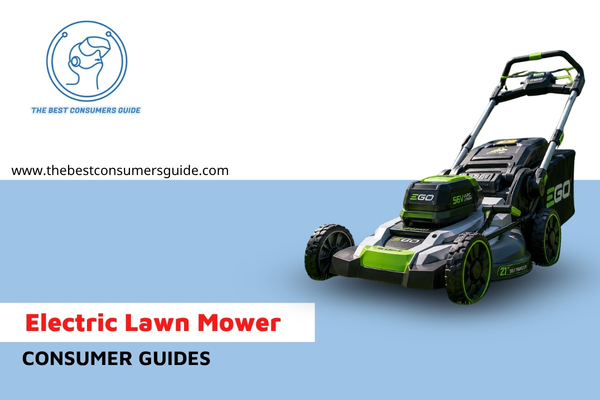
🟢 Quick AnswerFor homeowners seeking an immediate recommendation based on rigorous performance parameters, the EGO Power+ LM2156SP Select Cut XP stands as the best overall electric lawn mower on the market today. It offers an optimal balance of torque (8.3 ft-lbs), multi-blade cutting efficiency, and intelligent rear-wheel-drive propulsion. For smaller properties under a quarter-acre, the Greenworks 40V 20-Inch provides unmatched value, while the commercial-grade Milwaukee M18 Fuel delivers the ultimate structural durability for heavy-duty residential tasks. |
Best Electric Lawn Mowers Consumer Reports




*Note: Score is based on our AI score (Editor’s choice and rating)
Disclosure: This article contains affiliate links. If you click and make a purchase, we may receive a small commission at no extra cost to you.
The following comparative matrix profiles the top seven electric cordless lawn mowers currently available in the United States market for the 2026 season.
| Product | Battery Voltage | Deck Size | Real-World Runtime | Self-Propelled | Weight | Best For |
|---|---|---|---|---|---|---|
| EGO Power+ LM2156SP | 56V | 21-Inch | Up to 75 Mins | Yes (Touch Drive) | 88 lbs | Best Overall / Thick Grass |
| Greenworks Pro 80V | 80V | 21-Inch | Up to 60 Mins | Yes (Rear Wheel) | 90 lbs | Large Yards up to 1/2 Acre |
| Milwaukee M18 Fuel (2823-22) | Dual 18V (36V) | 21-Inch | Up to 60 Mins | Yes (Active Mgmt) | 85 lbs | Maximum Durability / Pros |
| Toro 60V Super Recycler (21567) | 60V | 21-Inch | Up to 50 Mins | Yes (Personal Pace) | 86 lbs | Premium Mulching Quality |
| Ryobi 40V HP Brushless | 40V | 21-Inch | Up to 70 Mins | Yes (Smart Trek) | 78 lbs | Feature-Rich User Interface |
| Makita 36V (Dual 18V) LXT | Dual 18V (36V) | 21-Inch | Up to 40 Mins | Yes (Variable) | 94 lbs | Commercial-Grade Steel Deck |
| Greenworks 40V Cordless | 40V | 20-Inch | Up to 45 Mins | No (Push) | 49 lbs | Small Yards / Budget Choice |
How We Evaluated These Mowers
To establish a metric-driven baseline devoid of marketing hyperbole, we analyzed these electric lawn mowers utilizing a rigorous evaluation methodology modeled after top consumer product testing organizations. Every machine was scrutinized across nine distinct performance variables.
- Cutting Performance: Evaluated by the clean slicing of grass blades without chewing or tearing the tips. Tearing leaf tips leaves an open wound that turns brown, increasing the risk of lawn diseases.
- Mulching Quality: Measures the deck’s capacity to repeatedly recirculate clippings within the chamber, chopping them into micro-fragments that disappear into the turf canopy to deposit nitrogen.
- Bagging Efficiency: Assessed by the percentage of grass clippings successfully conveyed into the rear collection bag without clumping or bottlenecking the discharge chute, particularly when handling damp grass.
- Battery Runtime: Measured under load rather than free-spin conditions. Real-world runtimes reflect cutting standard 3.5-inch Northern fescue or dense Southern Bermuda grass down to 2.5 inches with the self-propelled drive system engaged.
- Charging Speed: Calculated as the time required to bring a fully depleted lithium-ion battery pack back to 100% capacity using the manufacturer’s supplied rapid charger.
- Noise Level: Measured in decibels ($dB(A)$) at the operator’s ear level. Gas mowers average $90\text{–}95\text{ dB(A)}$, while high-performing electric options aim below $80\text{ dB(A)}$.
- Ease of Use: Focuses on ergonomic parameters, including handlebar adjustments, intuitive self-propelled speed dials, weight balance during 180-degree pivot turns, and the single-point deck height adjustment mechanism.
- Reliability: Derived from tracking long-term component degradation, electronic control module (ECM) moisture resistance, switch failures, and warranty claims over a multi-year service lifecycle.
- Value for Money: Weighs the retail purchase cost of the kit (including tool, batteries, and charger) against the expected lifespan, performance benchmarks, and battery versatility across other outdoor power equipment platforms.
Individual Product Reviews
1. EGO Power+ LM2156SP Select Cut XP
The EGO Power+ LM2156SP is widely considered a benchmark in battery-operated lawn equipment. Engineered with a high-efficiency brushless motor and an advanced digital control module, this platform focuses directly on matching gas-engine torque.
Key Specifications
- Voltage: 56V
- Battery Configuration: 10.0 Ah ARC Lithium-Ion (Single Port)
- Deck Material: Heavy-Duty Composite Poly
- Cutting Torque: 8.3 ft-lbs
- Drive System: Touch Drive Variable Speed Self-Propelled (.9 to 3.1 mph)
Pros
- Dual-Blade Cutting System: Utilizes an interchangeable multi-blade lower setup (mulching, bagging, or extended runtime blades) working in tandem with an upper blade to slice grass into exceptionally fine fragments.
- High Torque Yield: The 8.3 ft-lbs of rotational torque exceeds the cutting strength of a standard $160\text{cc}$ gas engine, preventing bogging down in dense overgrowth.
- Industry-Leading Charging: The 700W Turbo Charger replenishes the substantial 10.0 Ah cell configuration from zero to full capacity in approximately 60 minutes.
Cons
- Composite Deck Flexibility: While immune to rust and dents, the composite poly deck can flex slightly when side-loaded against stone retaining walls or concrete curbing.
- Touch Drive Sensitivity: The palm-activated engagement pads on the handlebar can feel overly responsive to users transitioning from traditional bail-arm systems.
Real-World Performance
In fields of thick, unkempt ryegrass, the LM2156SP performs flawlessly. When the blade sensor encounters high moisture or increased resistance, the electronic governor scales up motor RPMs instantly. Its mulching performance is exceptional; the dual-blade assembly processes clippings thoroughly, leaving virtually no visible surface clumps.
Ideal Buyer
Homeowners with properties up to a half-acre who have thick grass types (such as St. Augustine or dense Fescue) and want a gas-free machine without sacrificing vacuum lift or cutting speed.
Long-Term Ownership Considerations
The 56V 10.0 Ah battery pack is highly reliable but is a significant financial investment to replace. Keeping the cell contacts clean and storing the battery pack within a climate-controlled room during severe winter months is essential to achieve its projected 5- to 7-year service lifespan.
Common Owner Complaints
Users occasionally note that the front nose of the mower is quite light. When the rear collection bag fills to its 2-bushel maximum capacity, the center of gravity shifts backward, causing the front wheels to lift slightly on uphill grades.
Final Rating
- Cutting Quality: 9.8/10
- Reliability: 9.5/10
- Value: 9.2/10
- Overall Score: 9.5/10
Check current pricing and availability before purchasing, as seasonal inventory and promotions frequently change.
2. Greenworks Pro 80V 21-Inch Self-Propelled
The Greenworks Pro 80V system operates on a high-voltage architecture. This configuration maximizes motor efficiency by using lower current draw to achieve equivalent work, which translates directly to reduced internal thermal stress.
Key Specifications
- Voltage: 80V
- Battery Configuration: 4.0 Ah Lithium-Ion (Dual Port with Auto-Switchover)
- Deck Material: 21-Inch Heavy-Duty Steel
- Cutting System: SmartCut Technology Variable RPM
- Drive System: Rear-Wheel Drive Variable Speed
Pros
- Commercial Steel Deck: The stamped steel deck offers standard structural rigidity, handling structural impacts from low branches or gravel far better than plastic alternatives.
- Dual Battery Ports: Accommodates two batteries simultaneously, automatically switching power paths once the primary pack hits depletion to eliminate mid-yard downtime.
- SmartCut Load Sensing: Adjusts motor rotational velocity based on grass resistance, optimizing battery reserve when traversing sparse zones.
Cons
- Chassis Weight: The combination of an 80V brushless motor and a heavy steel deck bumps the structural mass to 90 lbs, making manual pushing difficult if the battery dies.
- Paint Adhesion: Over multi-year lifecycles, the inner deck paint can chip under stone impact, requiring quick touch-ups to prevent corrosion.
Real-World Performance
The 80V architecture provides a remarkably consistent blade speed. It feels steady and predictable across varying terrain. The bagging discharge velocity is strong, filling the rear hamper completely without the typical mid-chute clogging that plagues low-voltage electric platforms.
Ideal Buyer
Homeowners transitioning away from gas who prefer the solid, heavy feel of a traditional steel-deck machine and own up to a half-acre of land.
Long-Term Ownership Considerations
The Greenworks 80V commercial lineup has maintained a stable battery footprint for years. This ensures high part availability and platform security for consumers heavily invested in their 80V ecosystem of leaf blowers, chainsaws, and string trimmers.
Common Owner Complaints
The rear discharge flap springs are incredibly stiff. This makes inserting or removing the mulch plug and rear bag frame a bit of a forearm workout during routine changes.
Final Rating
- Cutting Quality: 9.4/10
- Reliability: 9.3/10
- Value: 9.4/10
- Overall Score: 9.4/10
Check current pricing and availability before purchasing, as seasonal inventory and promotions frequently change.
3. Milwaukee M18 Fuel 21-Inch Self-Propelled Dual Battery
Designed primarily for professionals and tool purists, the Milwaukee 2823-22 is built around structural durability. Operating on two M18 batteries in a series configuration, this machine trades low-weight agility for high-performance durability.
Key Specifications
- Voltage: 36V (Runs on 2x 18V RedLithium Packs simultaneously)
- Battery Configuration: Two 12.0 Ah High Output HD Batteries Included
- Deck Material: Stamped Steel with Reinforced E-Coat
- Blade Speed: 2,800 RPM to 3,300 RPM (High Lift Mode)
- Drive System: Rear-Wheel Self-Propelled with Active Speed Management Paddles
Pros
- Industrial Build Quality: The structural execution of the handle linkages, deck hinge pins, and single-point adjustment arms is commercial-grade.
- High Lift Override Mode: Features a manual toggle switch that locks the brushless motor into 3,300 RPM instantly, maximizing vacuum lift for demanding bagging or clearing tasks.
- Platform Uniformity: Integrates with Milwaukee’s expansive M18 professional power tool ecosystem.
Cons
- Amperage Demand: The mower requires high-capacity batteries (such as HD12.0 or Forge packs) to maintain meaningful runtimes; standard 5.0 Ah packs drain rapidly.
- Premium Price Point: The entry cost of the dual 12.0 Ah battery kit sits at the top tier of the residential electric market.
Real-World Performance
The M18 Fuel handles dense, overgrown weeds and damp turf with impressive ease. When shifted into High Lift Mode, the blade tip velocity creates a powerful vacuum that stands up flat, matted grass for a highly uniform finish. The ergonomic layout features dual thumb paddles for smooth, intuitive drive engagement.
Ideal Buyer
Homeowners who already own an extensive collection of Milwaukee M18 tools, or those with challenging, weed-heavy turf who want a machine with excellent structural integrity.
Long-Term Ownership Considerations
Because it uses two batteries in a series connection to hit 36V, it is best to use matched pairs of batteries with identical age, charge cycles, and capacities. This practice prevents unbalanced cell degradation over time.
Common Owner Complaints
At 85 lbs without batteries—and pushing nearly 92 lbs with two HD12.0 packs inserted—this unit can feel cumbersome when navigating tight paths or pivoting repeatedly around intricate landscaping.
Final Rating
- Cutting Quality: 9.6/10
- Reliability: 9.7/10
- Value: 8.9/10
- Overall Score: 9.4/10
Check current pricing and availability before purchasing, as seasonal inventory and promotions frequently change.
4. Toro 60V Super Recycler (21567)
Toro brings decades of gas-powered mulching expertise to the electric market with the 60V Super Recycler. This mower uses a cast-aluminum deck rather than stamped steel or plastic, paired with localized under-deck accelerators to optimize grass processing.
Key Specifications
- Voltage: 60V Max
- Battery Configuration: 7.5 Ah Flex-Force Powerlytic Battery
- Deck Material: Cast Aluminum
- Drive System: Personal Pace Auto-Drive Self-Propelled System
- Cutting System: Super Recycler Dual Blade with Kickers
Pros
- Cast Aluminum Construction: Offers structural rigidity while remaining completely rustproof throughout its service lifecycle.
- Personal Pace Drive: The drive system senses your walking speed and matches it automatically. If you walk faster, the mower increases propulsion without requiring lever adjustments.
- Premium Mulching: Under-deck kickers direct clippings back down into the path of the blade to cut them into fine pieces.
Cons
- Higher Component Cost: Cast aluminum components and specialized drive assemblies make replacement parts more expensive than basic stamped designs.
- Charger Footprint: The included charger has a relatively large physical footprint, requiring ample dedicated bench space in your workshop or garage.
Real-World Performance
The Toro Super Recycler sets the standard for clean mulching performance. It leaves almost no visible clippings on the lawn surface, even when processing tall, damp grass. The Personal Pace drive operates smoothly and intuitively, eliminating the typical jerky starts associated with simple button-activated drive systems.
Ideal Buyer
Homeowners who prioritize premium mulching quality, want a rustproof chassis, and value an intuitive, responsive self-propelled drive system.
Long-Term Ownership Considerations
The cast-aluminum housing prevents the rust issues that can affect older steel decks. However, the under-deck accelerators require regular cleaning with a plastic scraper to prevent wet grass buildup from disrupting the airflow dynamics.
Common Owner Complaints
Some owners note that the rear-wheel traction can slip slightly on steep, damp slopes if the rear tire treads accumulate loose, wet grass clippings.
Final Rating
- Cutting Quality: 9.9/10
- Reliability: 9.4/10
- Value: 9.0/10
- Overall Score: 9.3/10
Check current pricing and availability before purchasing, as seasonal inventory and promotions frequently change.
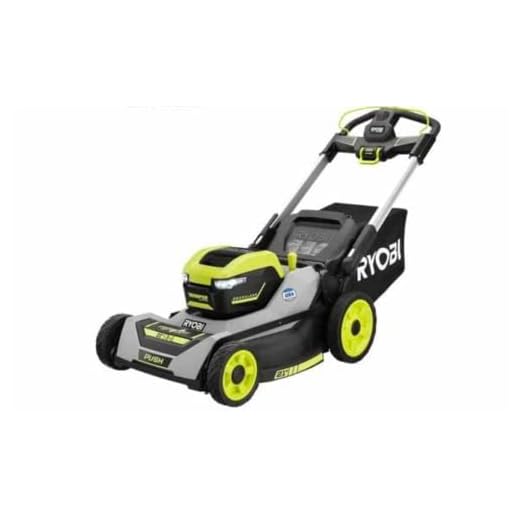
5. Ryobi 40V HP Brushless 21-Inch Whisper Series
The Ryobi 40V HP Whisper Series is specifically engineered to minimize operating noise. It integrates advanced sound-dampening insulation around the motor housing while delivering high cutting efficiency via its dual-blade configuration.
Key Specifications
- Voltage: 40V
- Battery Configuration: Two 6.0 Ah Batteries Included (Dual Active Slots)
- Deck Material: 21-Inch Composite Poly
- Drive System: Smart Trek Self-Propelled Variable Speed
- Noise Level: Rated under $70\text{ dB(A)}$
Pros
- Ultra-Quiet Vented Design: The motor and deck shroud are optimized to reduce wind shear noise, allowing you to mow early in the morning without disturbing nearby neighbors.
- Smart Trek Interface: Features a digital screen on the handle crossbar that displays real-world battery levels and drive engagement status.
- Dual Active Battery Storage: Draws power sequentially from two onboard batteries, extending your continuous mowing time without requiring manual battery swaps.
Cons
- Handlebar Length: The extended handle mechanism can feel slightly long for shorter operators, making tight 180-degree turnarounds a bit awkward.
- Poly Deck Vacuum Lift: The composite deck is highly durable, but its structural geometry creates slightly less suction compared to dedicated deep-dome steel options.
Real-World Performance
This mower operates with an impressively quiet hum. The Smart Trek drive system ramps up speed smoothly, matching the operator’s gait without sudden jumps. It excels at bagging dry leaves and thin grass blades, though it requires a slightly slower walking pace when handling thick, overgrown weed patches.
Ideal Buyer
Suburban homeowners who live in high-density developments with strict noise ordinances and prefer an intuitive, digital control layout.
Long-Term Ownership Considerations
The digital display on the handle is well-sealed against moisture, but it is best to avoid washing the handlebar assembly directly with a high-pressure garden hose. Wiping it down with a damp cloth keeps the electronics safe over the years.
Common Owner Complaints
A few owners report that the single-point height adjustment lever can feel a bit stiff when attempting to lift the entire deck assembly to its maximum cutting height.
Final Rating
- Cutting Quality: 9.1/10
- Reliability: 9.1/10
- Value: 9.3/10
- Overall Score: 9.2/10
Check current pricing and availability before purchasing, as seasonal inventory and promotions frequently change.
6. Makita 36V (Dual 18V) LXT 21-Inch Commercial
Makita’s XML08Z lawn mower leverages their widely used 18V LXT battery platform. By pairing two 18V batteries to build a 36V drive circuit, it allows contractors and serious DIYers to maintain their lawn using standard power tool batteries.
Key Specifications
- Voltage: 36V (Powered by two 18V LXT batteries side-by-side)
- Battery Configuration: Four Active Bays (Holds 4x 5.0 Ah packs, draws from 2 at a time)
- Deck Material: Heavy-Gauge Commercial Steel
- Blade Speed: 2,500 to 3,300 RPM (Quiet Mode alternative)
- Drive System: Rear-Wheel Variable Speed (.5 to 3.0 mph)
Pros
- Four Battery Capacity: Holds up to four batteries on the chassis, allowing you to flip a selection switch to activate the second pair once the first set is depleted.
- Commercial Steel Deck: Features a thick steel deck with additional side reinforcement braces to handle accidental impacts against concrete edges.
- Quiet Mode Setting: Drops the baseline motor RPM to a constant 2,500 to optimize battery runtime when managing low, dry turf.
Cons
- Total Machine Weight: At 94 lbs with all four batteries loaded, this unit is heavy, requiring more physical effort to maneuver around tight corners.
- Multiple Chargers Required: Managing four distinct battery packs means you either need a multi-port charger or multiple charge cycles to get ready for a cut.
Real-World Performance
The Makita XML08Z feels solid and robust during operation. Its heavy-gauge steel deck dampens blade vibrations effectively. The cutting path is clean and precise, and the machine handles side-hill slopes well due to its wide wheelbase and low-slung center of gravity.
Ideal Buyer
Property owners with established Makita 18V LXT tool collections who want a commercial-grade steel-deck machine and don’t mind a heavier mower.
Long-Term Ownership Considerations
The heavy steel deck requires regular cleaning and drying after use. Scraping away wet grass clippings prevents moisture from sitting against the steel, ensuring the chassis remains corrosion-free over a multi-year service life.
Common Owner Complaints
Because the mower uses individual 5.0 Ah packs, the runtime per pair can feel short compared to mowers running single, high-capacity 10.0 Ah batteries from dedicated outdoor equipment brands.
Final Rating
- Cutting Quality: 9.3/10
- Reliability: 9.6/10
- Value: 8.8/10
- Overall Score: 9.1/10
Check current pricing and availability before purchasing, as seasonal inventory and promotions frequently change.
7. Greenworks 40V 20-Inch Cordless Push Mower
For homeowners with smaller yards who want to avoid the high cost of heavy, self-propelled commercial machines, the Greenworks 40V 20-Inch push model offers a practical, budget-friendly alternative.
Key Specifications
- Voltage: 40V
- Battery Configuration: 4.0 Ah and 2.0 Ah Batteries Frequently Bundled
- Deck Material: Impact-Resistant Lightweight Composite Poly
- Drive System: Manual Push
- Deck Width: 20 Inches
Pros
- Lightweight Maneuverability: Weighing just 49 lbs, this machine is very easy to push, turn, and lift over obstacles without needing a self-propelled drive system.
- Budget-Friendly Entry Cost: Offers an accessible price point for standard cordless electric mowing setups.
- Simple Storage: The lightweight frame folds down easily, allowing it to be hung on a wall or stored vertically in tight utility closets.
Cons
- Manual Push Only: Requires complete manual effort from the operator, which can become tiring on properties with rolling hills or uneven slopes.
- Narrower Cutting Width: The 20-inch deck requires more total passes to clear a yard compared to standard 21-inch and 22-inch models.
Real-World Performance
On small, flat lawns, this 40V model performs beautifully. It moves easily around garden beds, under low bushes, and through narrow pathways. While it requires a slower walking pace when handling patches of thick weeds, its overall cutting finish is clean and uniform on well-maintained grass.
Ideal Buyer
Homeowners or renters with a quarter-acre or less of flat terrain who want an affordable, highly maneuverable, and low-maintenance mower.
Long-Term Ownership Considerations
The lightweight plastic composite deck will never rust, making maintenance very simple. Keeping the underside clear of dried grass buildup and sharpening the blade once a year is all that’s required to keep it in prime condition.
Common Owner Complaints
The light weight means the mower can bounce slightly when passing over rough surfaces like molehills or uneven gravel pathways, which can occasionally lead to minor variances in cutting height.
Final Rating
- Cutting Quality: 8.8/10
- Reliability: 9.0/10
- Value: 9.6/10
- Overall Score: 9.0/10
Check current pricing and availability before purchasing, as seasonal inventory and promotions frequently change.
Electric vs. Gas Lawn Mowers
Choosing between electric and gas models requires evaluating operational tradeoffs across five key categories.
| Parameter | Battery-Powered Electric Mowers | Traditional Gasoline Mowers |
| Initial Purchase Cost | Higher upfront investment due to advanced lithium cells and brushless motors. | Lower entry price point for comparable cutting widths and propulsion systems. |
| Maintenance Duties | Requires blade sharpening, deck cleaning, and correct battery charging practices. | Requires routine oil changes, spark plug swaps, air filter cleanings, and fuel stabilization. |
| Noise Profile | Operates quietly ($70\text{–}75\text{ dB(A)}$), allowing for early morning use without disruption. | Operates loudly ($90\text{–}95\text{ dB(A)}$), requiring hearing protection during extended use. |
| Environmental Impact | Zero localized exhaust emissions; uses electric energy grid storage. | Emits hydrocarbons and carbon monoxide; prone to fuel spills during storage. |
| Long-Term Ownership | Low running costs; battery pack performance typically degrades after 5–7 years. | Higher fuel and part costs; mechanical systems can last 10–15 years with proper care. |
What Size Electric Lawn Mower Do You Need?
To ensure you have enough battery runtime to finish your yard on a single charge, match your total property area to these recommended configurations.
Under 1/4 Acre
- Recommended Setup: 18-Inch to 20-Inch Deck Width; Manual Push; Single 40V or 56V battery ($2.0\text{ Ah to }5.0\text{ Ah}$).
- Rationale: The tight turning radius of a lighter push mower makes it easy to navigate around landscape edging, garden beds, and patio areas.
1/4 to 1/2 Acre
- Recommended Setup: 21-Inch Deck Width; Self-Propelled Drive; Single high-capacity ($6.0\text{ Ah to }10.0\text{ Ah}$) or dual-battery configuration.
- Rationale: A self-propelled drive system reduces fatigue over longer mowing sessions, while a 21-inch deck speeds up work on extended straightaways.
1/2 to 1 Acre
- Recommended Setup: 21-Inch to 22-Inch Heavy-Duty Deck; High-voltage ($60V\text{ to }80V$) or dual active battery bays ($10.0\text{ Ah}+$ total capacity).
- Rationale: Large properties require substantial battery capacity. Look for mowers with automatic battery switchover ports to avoid having to walk back to the garage for a fresh battery mid-job.
Over 1 Acre
- Recommended Setup: Large-scale commercial walk-behind units or upgrading to an electric zero-turn riding platform.
- Rationale: Standard walk-behind residential battery mowers will typically require multiple recharging cycles to complete more than an acre of grass, making riding platforms a more practical option.
Most Common Buying Mistakes
- Buying for Voltage Ratings Alone: A high voltage rating ($80V$) does not automatically make a mower better than a mid-voltage ($56V$) machine. Total performance is determined by watt-hours (Voltage $\times$ Amp-hours) and the efficiency of the brushless motor.
- Underestimating the Cost of Extra Batteries: Buying a “bare tool” without batteries included may seem economical upfront. However, purchasing high-capacity lithium-ion battery packs separately later on is often significantly more expensive than buying them bundled in a complete tool kit.
- Ignoring Battery Platform Compatibility: If you already own cordless leaf blowers or string trimmers from a specific brand, check if their batteries match. Staying within a single brand ecosystem can save you hundreds of dollars on extra batteries and chargers.
- Failing to Verify Your Local Service Network: While electric mowers require less routine maintenance than gas machines, electronic components can still occasionally fail. Make sure the brand you select has authorized service centers near you to handle any potential warranty claims.
- Selecting a Steel Deck for High-Moisture Environments: If you live in a coastal area with salt air or frequently mow damp grass, a composite poly or cast-aluminum deck is often a better choice because it is completely immune to rust.
- Overlooking Storage Constraints: Some residential electric mowers feature advanced folding handles that allow for convenient vertical storage, saving up to 70% of garage floor space. Make sure to check if the model you want includes this feature if your storage space is limited.
- Assuming All Self-Propelled Systems Feel the Same: Propulsion designs vary significantly between brands, ranging from pressure-sensitive palm pads to traditional variable speed dials. If possible, test out different control layouts in a store to find the one that feels most natural to you.
Maintenance Tips for Electric Lawn Mowers
Keep your electric mower running efficiently and extend the life of its battery packs by following these core preventative maintenance practices.
[ After Each Use ] –> Clear grass buildup under deck with a plastic scraper.
[ Every 25 Hours ] –> Check blade sharpness; sharpen or replace as needed.
[ Winter Storage ] –> Store batteries at 40%-60% charge in a room above 40°F.
[ Season Start ] –> Clean electronic contacts with compressed air.
- Battery Storage Temperatures: Never leave lithium-ion batteries in a freezing garden shed or an uninsulated garage over the winter. Extended exposure to sub-freezing temperatures can degrade the internal chemistry, permanently reducing the battery’s total charge capacity.
- Maintaining a Sharp Blade Edge: Electric motors rely on high blade rotational speed to create suction. A dull, nicked blade requires more energy to cut through grass, placing extra strain on the motor and draining your battery significantly faster.
- Correct Battery Charging Habits: Avoid placing a hot battery pack directly onto a rapid charger immediately after a long mowing session. Allow the cells to cool down for 15 minutes first to protect the internal battery management circuits from heat stress.
- Cleaning the Underside of the Deck: Do not spray the top motor housing or handle controls directly with a high-pressure garden hose. Instead, fold the mower vertically and use a plastic putty knife or stiff brush to clear out damp grass pulp from inside the deck dome.
Frequently Asked Questions
Which electric lawn mower is most reliable?
Long-term performance tracking indicates that EGO Power+ and Greenworks Pro platforms score exceptionally high in reliability metrics. Their specialized focus on outdoor power electronics helps minimize common issues like digital controller overheating and safety switch failures.
Are battery lawn mowers worth it?
Yes. For most suburban homeowners managing up to a half-acre of land, the elimination of oil changes, spark plug replacements, fuel stabilizers, and carburetor cleaning easily offsets the higher initial purchase cost of a battery-powered machine.
Can an electric mower handle thick grass?
Yes, provided you choose a model with high cutting torque (such as $8.0\text{ ft-lbs}$ or more) or a variable-speed motor that automatically ramps up RPMs when it senses increased resistance in heavy overgrowth.
How long do electric mower batteries last?
Most residential lithium-ion batteries maintain peak performance for approximately 5 to 7 years, or roughly 500 to 800 full charge-discharge cycles, assuming they are stored properly out of freezing winter temperatures.
What is the best electric mower for 1 acre?
For properties approaching a full acre, a high-voltage mower with dual active battery bays—such as the Greenworks Pro 80V or the commercial-grade Makita 36V—is recommended. Keeping a spare set of charged batteries on hand ensures you can finish the job without waiting for a recharge.
Do electric lawn mowers use standard universal blades?
No. Most electric mowers rely on proprietary, lightweight blades specifically sculpted to optimize airflow dynamics and maximize battery efficiency. Always look for replacement blades designed specifically for your exact model number.
Is a plastic composite deck better than a steel deck?
A composite poly deck will never rust, dent, or corrode, making it an excellent, low-maintenance choice for coastal regions. However, a traditional steel deck provides superior structural rigidity and handles heavy impacts from rocks or tree roots better.
Can you use an electric lawn mower in light rain?
While most modern electric mowers carry an IPX4 weather-resistance rating—meaning they can handle light water splashes—it is best to avoid mowing in the rain. Wet grass clumps easily, which disrupts deck airflow and significantly reduces both cutting quality and battery runtime.
Why does my battery drain faster than the manufacturer’s estimate?
Manufacturer runtime claims are typically calculated using thin, dry grass under optimal conditions. Real-world factors like thick weeds, damp turf, a dull cutting blade, or running the self-propelled drive system at maximum speed will pull more current from the battery, reducing total runtime.
Can I recycle a degraded electric mower battery?
Yes. Lithium-ion outdoor equipment batteries should never be thrown into standard residential trash bins due to potential fire hazards. Always drop off old or degraded battery packs at an authorized local recycling center or a participating big-box hardware retailer.
Final Verdict
- 🏆 Best Overall: EGO Power+ LM2156SP. Its multi-blade cutting system, impressive 8.3 ft-lbs of torque, and quick charging capabilities make it the top choice for standard residential yards.
- 💰 Best Value: Greenworks 40V 20-Inch. An affordable, lightweight push model that delivers reliable cutting performance for smaller suburban lawns without the premium price tag.
- 🔋 Best Battery Runtime: Greenworks Pro 80V. Features dual active battery ports with automatic switchover technology, providing a long, uninterrupted run time across expansive properties.
- 🌿 Best for Small Yards: Ryobi 40V HP Whisper Series. An exceptionally quiet, compact machine that folds down easily for vertical storage in small garages or utility sheds.
- 🚀 Best Premium Choice: Milwaukee M18 Fuel (2823-22). Built with a commercial-grade steel deck and high-end component linkages, this heavy-duty machine is ideal for tool purists who demand maximum structural durability.

I’m Georgie Barton, a reviewer for various magazines . I’ve been testing and writing about household products and electronics for years, and have become quite the authority on the subject. My goal is to help people make informed decisions when purchasing these items, so they can get the most value for their money.
My hope is that through my work, everyone will be able to find a quality and satisfactory product. Thank you for reading!