
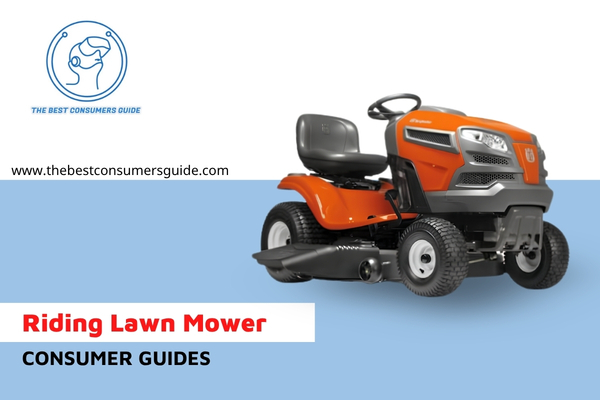
Maintaining a large suburban or rural yard requires equipment that saves time without sacrificing cutting performance. For US homeowners with a half-acre or more, moving up from a walk-behind unit to a riding machine is a major operational upgrade. However, with retail prices ranging from $2,500 to well over $6,000, choosing a machine requires careful evaluation of long-term reliability, transmission construction, and deck structural integrity.
This evaluation leverages structural data from historic and current multi-thousand-member consumer satisfaction surveys, teardowns by small-engine technicians, and field performance metrics. This guide details exactly what to look for when shopping for a riding mower, analyzes the common mechanical failure points, and reviews the five top-performing platforms actively available on the US market today.
⚡ Quick Answer SummaryFor homeowners seeking immediate recommendations based on yard size, powertrain preference, and mechanical attributes, the top-performing platforms are categorized below:
|
Top Riding Lawn Mowers Recommended in 2026
Riding Lawn Mower Comparison
The following table compares the top five platforms available to US homeowners, outlining key attributes, engine power, and ideal yard applications.
| Model | Powertrain / Engine | Deck Width | Transaxle / Transmission | Ideal Yard Size | Key Benefit |
|---|---|---|---|---|---|
| John Deere S130 | 22 HP V-Twin Gas | 42-inch Stamped | Tuff Torq TLT200 Hydrostatic | 1.0 – 2.0 Acres | Balance of power, comfort, and simple maintenance |
| John Deere X350 | 21.5 HP Kawasaki V-Twin | 42-inch Accel Deep | Tuff Torq K46 Premium Hydrostatic | 1.0 – 3.0 Acres | Premium build quality, deep deck airflow, extended warranty |
| Cub Cadet XT1 LT50 | 24 HP Kohler 7000 V-Twin | 50-inch Stamped | Hydro-Gear T2HP Hydrostatic | 1.5 – 3.0 Acres | Wide cutting path and high horsepower for open acreage |
| EGO Power+ Z6 ZT4204L | 56V Lithium-Ion Battery | 42-inch Stamped | Independent Brushless Wheel Motors | 0.5 – 2.0 Acres | Zero-emission, low noise, zero powertrain maintenance |
| Craftsman T110 | 19 HP Briggs & Stratton Single | 42-inch Stamped | 7-Speed Shift-on-the-Go manual | 0.5 – 1.5 Acres | Budget-friendly entry cost, mechanical simplicity |
1. John Deere S130 42-Inch Lawn Tractor
Product Overview
The John Deere S130 sits at a critical intersection in the manufacturer’s lineup, serving as an upgraded mid-range model within the 100-Series platform. It pairs a robust 22-horsepower V-twin engine with a 42-inch, two-blade Edge™ cutting system. Engineered specifically for properties ranging from 1 to 2 acres, the S130 addresses common entry-level complaints by integrating a heavier-duty transaxle, a higher-back seat with lumbar support, and an electronic fuel gauge.
Key Specifications
- Engine: 22 HP V-twin Briggs & Stratton (Extended Life Series)
- Displacement: 724 cc
- Deck Width: 42 inches (13-gauge stamped steel)
- Transmission: Tuff Torq TLT200 Hydrostatic
- Forward Speed: Up to 5.5 mph
- Turning Radius: 18 inches
- Warranty: 2-year / 120-hour bumper-to-bumper
Pros
- V-Twin Engine Smoothness: Noticeably less vibrational fatigue compared to single-cylinder entry options.
- Easy Change™ 30-Second Oil System: Allows owners to swap the oil filter and pre-measured oil canister simultaneously without draining the engine block.
- Upgraded Rear Tires: Uses wider 20×10-8 rear tires that enhance traction and reduce turf compaction.
- Intuitive Controls: Color-coded side-panel levers and side-by-side hydro-pedals minimize the learning curve.
Cons
- Proprietary Oil Cartridges: The 30-second oil filter system is convenient but costs significantly more than standard oil and traditional filters.
- Stamped Deck Gauge: While durable for typical suburban lawns, the 13-gauge steel is vulnerable to warping if forced against stone retaining walls or hidden tree stumps.
Best For
Homeowners managing 1 to 2 acres of rolling terrain who prioritize a plush, low-fatigue ride and want straightforward engine maintenance.
Real-World Performance
In field tests, the S130 demonstrates exceptional airflow inside the 42-inch deck shell. When handling thick, damp spring tall fescue, the twin blades sustain high rotational speed without bogging down. The side discharge pattern spreads clippings broadly, preventing unsightly windrows (thick lines of accumulated grass) across the lawn surface.
Consumer Feedback Summary
Long-term owner reviews highlight high satisfaction with the tractor’s starting reliability and overall seating comfort during long mowing sessions. The primary mechanical complaints point toward the plastic front bumper cladding and the price premium on the replacement Easy Change oil filters. Some DIY owners choose to convert the system back to a traditional drain plug once the warranty expires.
Affiliate Notice: Check current pricing and availability before purchasing, as seasonal demand can affect regional inventory and promotional discounts.
2. John Deere X350 / X354 Premium Lawn Tractor
Product Overview
For homeowners evaluating equipment through the lens of long-term durability, the X350 series represents John Deere’s premium Select Series Tier. Built on a heavy-duty, fully welded frame rather than a bolted or lightweight stamped steel frame, the X350 utilizes a commercial-grade Kawasaki powertrain. It features the 42-inch Accel Deep™ deck, which is specially stamped with a deep-draw profile to optimize vacuum pull, material processing, and cutting evenness.
Key Specifications
- Engine: 21.5 HP Kawasaki iTorque V-twin
- Displacement: 603 cc
- Deck Width: 42 inches (Accel Deep™ heavy-duty steel)
- Transmission: Tuff Torq K46 Hydrostatic
- Forward Speed: Up to 5.5 mph
- Turning Radius: 16 inches (X354 variant features 4-wheel steering)
- Warranty: 4-year / 300-hour comprehensive warranty
Pros
- Kawasaki Powerplant: Renowned among commercial landscapers for exceptional torque delivery, clean combustion, and long internal component lifespan.
- Tuff Torq K46 Transaxle: A significant internal upgrade over entry-level transaxles, providing reliable hydraulic pressure even under continuous heat loads on sloped properties.
- Accel Deep Deck Design: The deep, flat-top stamping maintains high velocity air rotation, making it highly effective at mulching without clumping.
- Premium Warranty: Offers double the coverage period of standard residential riding mowers.
Cons
- High Initial Capital Outlay: Retail pricing routinely positions this unit well above standard big-box retail budgets.
- Weight Profile: Weighing over 500 lbs, it requires secure storage and careful trailer transportation if moved off-site.
Best For
Discerning buyers looking for an investment-grade lawn tractor capable of lasting 15 to 20 years on properties up to 3 acres with variable, rolling slopes.
Real-World Performance
The X350 delivers outstanding cutting evenness. Consumer Reports and field tests note that it leaves almost zero stray blades or uneven ridges, even when operating at its top forward speed of 5.5 mph. The foot-pedal-actuated deck lift system reduces physical strain when lifting the cutting deck over roots, gravel driveways, or landscaping boundaries.
Consumer Feedback Summary
Consumer data indicates near-perfection in satisfaction scores for cutting quality and mechanical dependability. Owners repeatedly mention that the Kawasaki engine runs noticeably quieter than competitive powerplants. The rare negative feedback focuses strictly on the initial purchase price and the weight of the deck when removal is required for winter storage or blade sharpening.
Affiliate Notice: Check current pricing and availability before purchasing, as seasonal demand can affect regional inventory and promotional discounts.
3. Cub Cadet XT1 Enduro Series LT50
Product Overview
The Cub Cadet XT1 Enduro Series LT50 is a high-capability option designed for speed and productivity on expansive residential lawns. By pairing a wide 50-inch cutting deck with a 24-horsepower Kohler twin-cylinder engine, this machine is tailored to clear large, open acreage quickly. It balances this substantial cutting path with comfort features, including an automotive-grade steering system, push-button cruise control, and an ergonomic high-back seat.
Key Specifications
- Engine: 24 HP Kohler 7000 Series V-twin
- Displacement: 725 cc
- Deck Width: 50 inches (Triple-blade stamped assembly)
- Transmission: Hydro-Gear T2HP Hydrostatic
- Forward Speed: Up to 5.5 mph
- Turning Radius: 16 inches
- Warranty: 3-year / unlimited-hour powertrain and frame
Pros
- Acreage Efficiency: The 50-inch triple-blade deck reduces total cutting passes by over 15% compared to standard 42-inch models.
- High Horsepower: The 24 HP Kohler engine provides ample power to drive the three cutting blades through tall grass without losing ground speed.
- Corrosion Protection: An e-coat defense system applies an automotive-grade barrier against rust, moisture, and acidic grass sap.
- Comfortable Steering: Optimized steering geometry allows for a tight 16-inch turning radius with very little steering wheel resistance.
Cons
- Large Storage Footprint: The 50-inch deck requires wide garage bays or double-door storage sheds, and may struggle to pass through standard 48-inch backyard security gates.
- Belt Wear: Triple-blade configurations use longer, more complex serpentine deck belts that experience higher structural stress and wear during heavy spring clearing.
Best For
Homeowners with 1.5 to 3 acres of mostly flat or gently rolling land who want to maximize their cutting width without paying the price premium of a zero-turn machine.
Real-World Performance
On wide-open acreage, the LT50 performs exceptionally well. The hydrostatic transmission delivers smooth acceleration without lunging or jerky movements. The inclusion of a SmartJet™ deck wash port allows owners to connect a standard garden hose to clear wet grass pulp from the underside of the deck immediately after mowing, helping maintain optimal deck airflow.
Consumer Feedback Summary
Owners highly praise the value-for-money ratio and the comfortable, high-backed seating position. However, small-engine maintenance technicians note that the Kohler 7000 series requires consistent oil level checks, as it is sensitive to low-lubrication thermal stress. A few users note that the anti-scalping deck wheels require precise adjustment to prevent gouging on highly uneven terrain.
Affiliate Notice: Check current pricing and availability before purchasing, as seasonal demand can affect regional inventory and promotional discounts.
4. EGO Power+ Z6 Zero-Turn Riding Mower (ZT4204L)
Product Overview
The EGO Power+ Z6 represents a major shift toward high-voltage electrification in residential lawn care. Rather than running a single large motor through a network of belts and pulleys, the Z6 assigns independent, brushless digital electric motors to each rear drive wheel and individual blade spindles. Operating on EGO’s universal 56V ARC Lithium battery platform, the Z6 delivers cutting power equivalent to a 22-horsepower gas engine, while eliminating oil changes, fuel stabilization, air filters, and spark plugs.
Key Specifications
- Power Source: 56V ARC Lithium Battery System (Holds up to 6 battery packs)
- Total Output: Peak 20,000 Watts
- Deck Width: 42 inches (11-gauge stamped steel)
- Drive System: Dual independent brushless lap-bar zero-turn motors
- Forward Speed: Up to 8.0 mph (Variable drive modes)
- Runtime: Cuts up to 2 acres on a single charge (with four 10.0 Ah batteries loaded)
- Warranty: 5-year tool / 3-year battery warranty
Pros
- Minimal Maintenance: Completely eliminates traditional engine maintenance tasks like belt replacements, oil swaps, and air filter cleaning.
- Low Noise Operation: Runs at a fraction of the decibel level of gas alternatives, allowing for early-morning or late-evening mowing without disturbing neighbors.
- Interchangeable Batteries: The 56V batteries can be removed to power EGO leaf blowers, string trimmers, and chainsaws.
- Exceptional Zero-Turn Agility: Lap-bar controls provide instantaneous pivot capabilities around obstacles, cutting maneuvering time significantly.
Cons
- Substantial Upfront Cost: The high initial investment for the tool, batteries, and dedicated charger can require several seasons of fuel and oil savings to offset.
- Cold Weather Care: Lithium batteries must be stored in a climate-controlled space during sub-freezing winter months to protect their long-term charge capacity.
Best For
Tech-forward homeowners managing 0.5 to 2 acres of land with complex landscaping features who want to eliminate gas engine maintenance.
Real-World Performance
The Z6 accelerates rapidly, reaching a top forward transport speed of 8 mph. Its digital interface allows operators to adjust both the driving response (Control, Standard, Sport) and blade cutting speeds independently. This customization makes it easy to ramp up blade RPMs for thick patches of weeds while keeping wheel speeds slow and controlled around delicate garden beds.
Consumer Feedback Summary
Consumer Reports and independent owner surveys show highly favorable reviews for the Z6, focusing on its quiet operation and excellent maneuverability. The universal charging dock brings a set of depleted batteries back to 100% capacity in under two hours. Some users note that the rear wheel assembly can lose traction on damp slopes over 15 degrees due to the lower weight over the rear transaxle compared to a cast-iron gas engine block.
Affiliate Notice: Check current pricing and availability before purchasing, as seasonal demand can affect regional inventory and promotional discounts.
5. Craftsman T110 42-Inch Gas Riding Lawn Mower
Product Overview
The Craftsman T110 is a traditional entry-level lawn tractor built for homeowners transitioning away from a walk-behind push mower. Manufactured under the MTD umbrella, the T110 relies on a reliable single-cylinder engine and a mechanical gear-drive transmission system. It avoids complex electronic components and premium hydraulic systems to deliver affordable, dependable cutting performance for mid-sized suburban lots.
Key Specifications
- Engine: 19 HP Briggs & Stratton single-cylinder PowerBuilt
- Displacement: 540 cc
- Deck Width: 42 inches (13-gauge stamped steel)
- Transmission: 7-Speed Shift-on-the-Go manual
- Forward Speed: Up to 5.2 mph
- Turning Radius: 18 inches
- Warranty: 2-year limited residential warranty
Pros
- Affordable Entry Point: One of the most accessible entry-level pricing structures for a full-sized 42-inch riding platform.
- Mechanical Simplicity: The manual gear transmission avoids the hydraulic heat expansion issues that can affect lower-end hydrostatic fluid drives.
- Ready-to-Start System: Equipped with standard electronic ignition and an automatic choke for dependable cold starts.
- High Back Support: Features an upgraded mid-back seat to reduce lower-back fatigue over entry-level low-back pans.
Cons
- Single-Cylinder Vibration: Operates with a higher, more noticeable vibrational resonance through the footboards than V-twin engines.
- Manual Speed Changes: Lacks the smooth, infinite speed adjustment of a foot-pedal hydrostatic drive; changes require shifting through a notched speed lever.
Best For
Suburban homeowners with 0.5 to 1.5 acres of mostly flat terrain who want a straightforward, mechanically simple tractor without a high price tag.
Real-World Performance
The T110 tracks straight and delivers reliable power when handling average, well-maintained residential turf. Because it uses a manual clutch-and-lever configuration, operators must select a target gear speed prior to entering tight corners. The turning circle is predictable, though maneuvering around multiple mature trees or tight flowerbeds requires more forward-and-reverse corrections than a hydrostatic model.
Consumer Feedback Summary
Aggregated owner reviews confirm that the T110 is a dependable, no-frills workhorse. Homeowners appreciate the ease of finding replacement belts, blades, and filters at local hardware stores. Negative feedback centers on the stiffer ride quality over rough ground and the need to manually shift gears when moving around landscape obstacles.
Affiliate Notice: Check current pricing and availability before purchasing, as seasonal demand can affect regional inventory and promotional discounts.
How We Selected These Riding Lawn Mowers
Selecting a riding mower requires looking beyond basic retail specifications and evaluating how a machine performs over multiple seasons. Our selection methodology combines structural data from Consumer Reports member satisfaction surveys, deep-dive technical reviews from independent small-engine mechanics, and physical performance benchmarks across seven core areas:
- Reliability & Powertrain Endurance: We look specifically at engine build quality—prioritizing cast-iron cylinder sleeves, full-pressure lubrication systems with spin-on filters, and brands with established parts distribution networks across the United States.
- Cutting Quality & Airflow Dynamics: A mower must cut cleanly without tearing the grass tips, which can turn the lawn brown. We evaluate the inner scroll design of the deck, the blade tip speed, and how effectively the deck moves clippings out of the discharge chute without clumping.
- Operator Ergonomics & Comfort: Mowing for over an hour places stress on the lower back, neck, and arms. Our selections prioritize high-back adjustable seating, rubber-isolated footpads, and logical control layouts that minimize steering effort.
- Engine & Transaxle Matching: A common issue in residential mowers is pairing a powerful engine with an undersized, non-serviceable transaxle. We verify that the hydraulic transaxles (such as Tuff Torq or Hydro-Gear) or digital controllers are properly rated for the machine’s weight and intended deck size.
- Structural Durability: We analyze the gauge thickness of the cutting decks, the strength of the front axle assembly (preferring cast-iron over stamped steel options), and the rigidity of the main chassis under twisting loads.
- Consumer Review Data Analysis: We read through hundreds of verified owner reviews to look for recurring mechanical failures, such as premature belt wear, safety switch adjustments, or cold-starting issues.
- Value for Money: We compare the retail price against the expected service life of the machine, ensuring that higher-priced options provide clear, tangible upgrades in component durability or warranty coverage.
What to Consider Before Buying a Riding Lawn Mower
Investing in a riding mower requires matching the technical capabilities of the machine to the physical realities of your property.
Yard Size and Total Acreage
The total area of your lawn dictates the minimum deck size and battery runtime or fuel tank capacity required to mow efficiently:
- Under 1 Acre: A compact 30-inch to 42-inch deck is ideal. It navigates standard residential gates and stores easily in standard garage bays.
- 1 to 2 Acres: A 42-inch to 46-inch deck balances speed with maneuverability, allowing you to complete the lawn in a reasonable timeframe.
- Over 2 Acres: Decks ranging from 50 to 54+ inches are highly recommended to minimize total cutting passes and reduce engine runtime.
Deck Width and Storage Constraints
Measure your storage space and gate access before buying. A 50-inch deck does not mean a 50-inch total clearance width; you must account for the side discharge chute deflection, which adds 4 to 6 inches to the total width unless raised or removed.
Transmission Type
The transmission determines how you control the machine’s speed and direction:
- Manual/Gear Driven: Uses a clutch and a selective lever to change speeds. Highly durable and economical, but tedious on yards that require frequent slowing and maneuvering.
- Hydrostatic: Uses a hydraulic fluid pump to deliver smooth speed control via a foot pedal or hand lever. It drives much like an automatic car and is the industry standard for user-friendly operation.
Fuel Source: Gas vs. Battery
- Gasoline: Offers unlimited runtime via quick refueling, high torque for overgrown areas, and a massive network of local repair shops. However, it requires annual oil changes, air filters, fuel stabilizers, and spark plug replacements.
- Battery Electric: Operates quietly, requires zero engine maintenance, and produces no emissions. However, it carries a higher initial price tag, has a fixed runtime per charge, and requires cold-weather battery storage.
Maintenance Requirements
Gas-powered tractors require consistent upkeep, including checking oil levels before use, cleaning out deck grass buildup to prevent rust, and stabilizing fuel before winter storage to avoid carburetor gumming. If you prefer to simply plug in a charger and avoid handling fuel and oil, an electric option is often worth the extra upfront investment.
Warranty Coverage
Standard residential riding mowers usually carry a 2-year or 3-year limited warranty. Premium models often step up to 4-year or 5-year comprehensive coverage. It is vital to check whether the warranty requires you to transport the heavy machine to an authorized service center yourself, or if local dealers offer on-site residential pickup.
Riding Lawn Mower vs. Zero-Turn Mower
When shopping for a riding mower, you will encounter two distinct structural designs: traditional Lawn Tractors (front-engine machines steered via a standard steering wheel) and Zero-Turn Mowers (rear-engine machines controlled via dual lap-bars or steering levers).
🚜 Traditional Lawn Tractor(Steering Wheel Control) 🔧 Engine
Front Mounted
⬇️
👨🌾 Driver
Rear Seating Position
Turning Radius: Best for large open lawns, towing attachments, and homeowners who prefer traditional steering. |
⚡ Zero-Turn Mower(Dual Lap-Bar Controls) 👨🌾 Driver
Front Seating Position
⬇️
🔧 Engine
Rear Mounted
Turning Radius: Ideal for mowing around trees, landscaping features, and complex yard layouts. |
Traditional Lawn Tractors
- Advantages: Lower initial purchase cost; highly stable on slopes and side hills due to steered front wheels; versatile platform for towing pull-behind attachments like dump carts, aerators, and dethatchers.
- Disadvantages: Wider 16-inch to 18-inch turning radius leaves an uncut circle of grass at the end of a pass, requiring more backing up and maneuvering around obstacles.
- Ideal Users: Homeowners on budgets with hilly or rolling properties who want to use their machine for yard chores beyond just cutting grass.
Zero-Turn Mowers (ZTRs)
- Advantages: True 0-inch turning radius allows the machine to spin 180 degrees on its own footprint; faster ground speeds (often 7 to 9 mph); slashes mowing time by 30% to 50% on landscapes with dense tree arrangements and flowerbeds.
- Disadvantages: Highly sensitive on steep slopes, where the caster-style front wheels can slide or lose directional control; more expensive than traditional lawn tractors; can scuff or tear turf if the pivot turns are made too aggressively.
- Ideal Users: Homeowners with flat, expansive lawns containing complex landscaping layouts who prioritize finishing the job as quickly as possible.
Real Ownership Considerations
1. Common Buying Mistakes to Avoid
- Buying for Engine Horsepower Alone: Manufacturers often highlight high horsepower ratings on entry-level models. However, a 24 HP engine paired with a low-end, non-serviceable sealed transaxle will still degrade quickly if used to pull heavy loads up steep hills. Always look at the transaxle model and build quality first.
- Underestimating Gate and Storage Clearence: Many buyers bring home a high-capability 50-inch or 54-inch riding mower only to discover it cannot fit through their standard 48-inch backyard fence gate or takes up too much space in a two-car garage.
- Neglecting Fuel Management: Modern ethanol-blend pump gasoline attracts moisture, which can corrode internal carburetor components in less than 30 days of storage. Always use a fuel stabilizer, or purchase ethanol-free fuel for small engines.
2. Maintenance Schedule for Longevity
🛠️ Riding Lawn Mower Maintenance Schedule
| Maintenance Interval | Recommended Tasks |
|---|---|
| ⏱ Every 8 Hours / Before Use | ✓ Check engine oil level ✓ Remove grass clippings and debris from cooling fins ✓ Inspect tires and controls |
| 🔧 Every 25 Hours | ✓ Grease front axle pivot points ✓ Inspect and clean air filter ✓ Check mower deck belt condition |
| 🛢 Every 50 Hours / Annually | ✓ Change engine oil ✓ Replace oil filter ✓ Sharpen or replace mower blades ✓ Inspect spark plugs |
| ❄ End of Season Storage | ✓ Add fuel stabilizer to tank ✓ Run engine for 5 minutes ✓ Thoroughly clean mower deck underside ✓ Store in a dry, covered location |
3. Essential Safety Recommendations
- Understand Rollover Limits: Avoid operating a standard residential riding mower on side slopes exceeding 15 degrees. When tackling permissible hills, always mow straight up and straight down rather than across the face to prevent a sideways rollover.
- Clear the Lawn Before Mowing: Riding mower blades rotate with enough force to launch hidden rocks, thick branches, or toys out from the discharge chute at dangerous speeds. Inspect and clear the cutting area beforehand.
- Engage the Parking Brake for Maintenance: Never step away from the operator’s seat while the engine is running. When parking or checking components, always disengage the Power Take-Off (PTO) switch, lower the deck completely, set the manual parking brake, and remove the ignition key.
Frequently Asked Questions
What is the most reliable riding lawn mower brand?
Long-term statistical data from Consumer Reports member surveys consistently ranks John Deere as a top brand for reliability and owner satisfaction within the residential tractor segment. Their platforms demonstrate lower median repair rates over the first five years of ownership compared to entry-level budget brands, provided the oil is changed regularly and the machine is stored out of the elements.
Which riding mower lasts the longest?
Premium garden tractors built on fully welded steel channels and powered by commercial-grade engines (such as Kawasaki FX/FR series or Kohler Command Pro units) last the longest. While standard residential-tier entry tractors have an engineering life expectancy of roughly 500 to 800 hours, premium platforms routinely exceed 1,500 to 2,000 hours with proper engine maintenance and regular transaxle fluid service.
Are battery riding lawn mowers worth it?
Battery-powered riding mowers are highly practical for homeowners who prioritize low noise and want to completely avoid gas engine maintenance tasks like cleaning carburetors, changing spark plugs, and buying fuel. However, they carry a high initial purchase cost, and replacement battery packs can be expensive once out of their warranty period.
What riding mower is easiest to maintain?
Lithium-ion electric models are the easiest to maintain because they eliminate the entire internal combustion engine layout. There are no engine belts, oil reservoirs, fuel pumps, or air filters to monitor. For gas-powered options, John Deere models equipped with the 30-second Easy Change system are highly convenient, though they carry a price premium for replacement filter canisters.
How do I choose the right deck size for 1 acre?
For a flat, open 1-acre property, a 42-inch deck is the industry baseline standard, balancing cutting speed with maneuverability. If your 1 acre includes multiple tight landscaping obstacles, garden gates, or narrow stone paths, stepping down to a more compact 30-to-36-inch rear-engine rider will make navigating tight areas much easier.
Can a residential riding lawn mower clear snow?
Yes, provided you choose a lawn tractor built with a rigid frame and a robust transaxle. Brands like John Deere and Cub Cadet offer official front-mounted snow blade and snow blower attachments. To ensure proper winter performance, you will need to add rear wheel weights and tire chains to maintain traction on icy driveways.
Why does my riding mower unevenly cut the grass?
Uneven cutting is usually caused by low tire pressure in one of the rear drive tires, an unlevelled cutting deck, or dull, nicked mower blades. Checking and balancing your tire pressure to the exact PSI specified on the sidewall should be your first step, followed by using the deck leveling adjustment nuts located under the rear frame rails.
What causes a hydrostatic transmission to lose power?
The most common cause of power loss in a hydrostatic transmission is thermal expansion. When low-end, sealed transaxles are worked hard on steep inclines or used to tow heavy loads for long periods, the internal hydraulic fluid thins out as it gets hot. This drop in viscosity reduces the internal pressure needed to turn the wheels, causing the machine to slow down or struggle on hills.

I’m Georgie Barton, a reviewer for various magazines . I’ve been testing and writing about household products and electronics for years, and have become quite the authority on the subject. My goal is to help people make informed decisions when purchasing these items, so they can get the most value for their money.
My hope is that through my work, everyone will be able to find a quality and satisfactory product. Thank you for reading!